USSR archive Memorandum «Herota» 1976
USSR · Khabarovsk Krai Top secret

HEROTA

a settlement at the edge of the country

Somewhere among the Far Eastern forests, a place that was once meant to be the next bright point on the industrial map of the Union is quietly fading. What follows is the file the state stopped opening — and the lives still written inside it.

Settlement Record
Region
Khabarovsk Krai
Established
18 June 1947
Status
Unpromising
Population
≈ 2,000
Record Date
14 March 1976
Chapter · 01 · The Settlement

Village at the end of the country

"Herota was built for a future that never came."

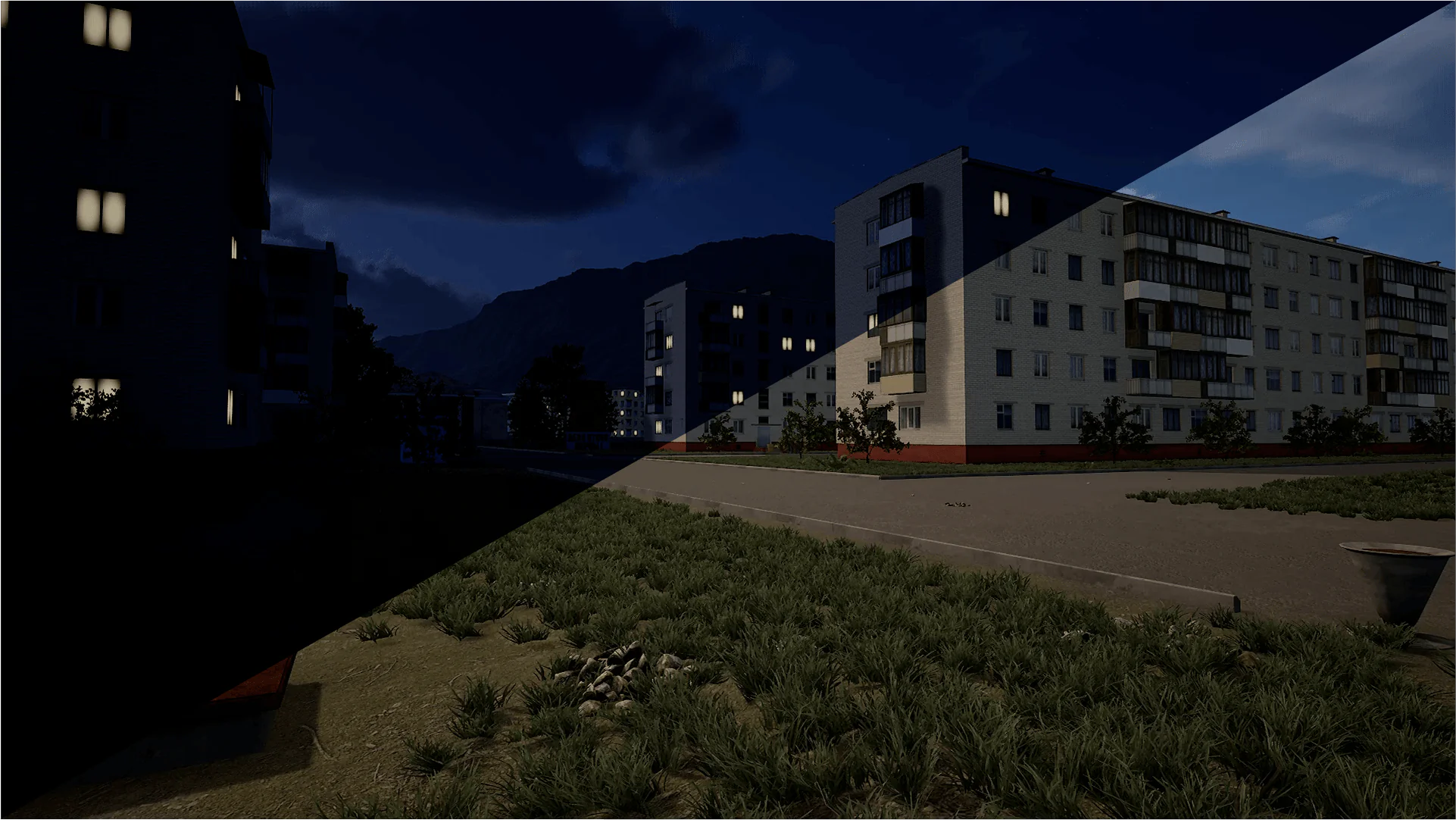
Today around two thousand people still live here. Most of the houses are standing. Soviet posters still hang on the walls. The radio still speaks of a great future. But inside Herota, something has been broken for a long time.

Herota was founded on 18 June 1947, after a geological expedition discovered several large coal seams at the foot of the mountain range. By preliminary estimates the deposit looked promising — seams up to ten metres thick, lying close enough together for rapid extraction. Workers were sent in, alongside engineers, former front-line soldiers, young specialists, and prisoners.

Around the Stalinskaya mine a new settlement grew quickly: private houses, then barracks, then apartment blocks, an administrative building, and the council itself. In its first years Herota truly lived in the future. People believed a real city would rise here.

Today the council still meets. The shop still opens. The school still rings its bell. But work, in any honest sense of the word, is mostly gone. The young have tried to leave, often without succeeding. Whole houses have emptied while their curtains stayed drawn.

Even now, residents say, equipment is sometimes seen moving near the closed shaft — though no restoration is officially under way. The fog hangs lower than it used to. The summer is colder. And the great future, by 1976, has very little to say for itself.
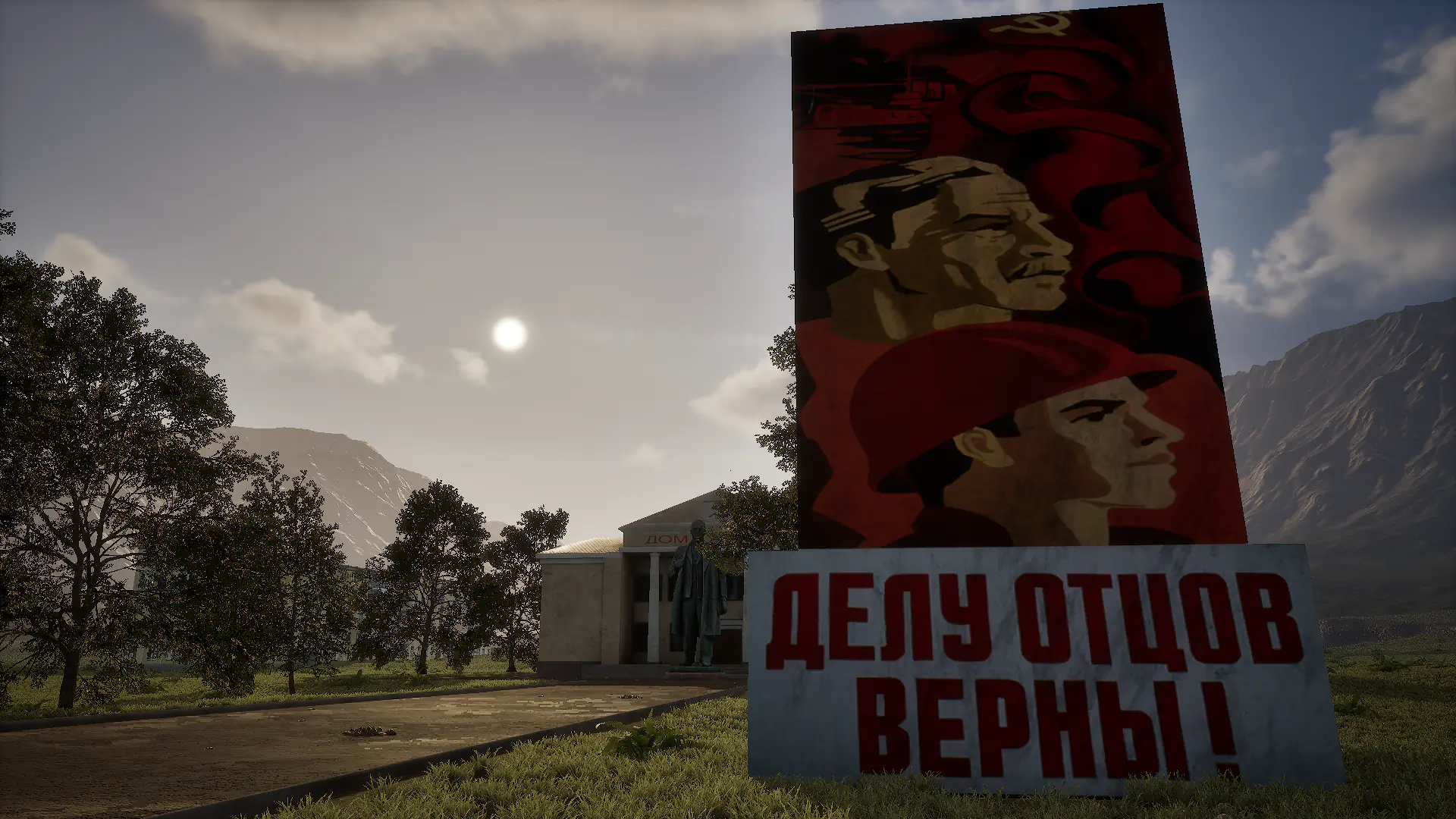
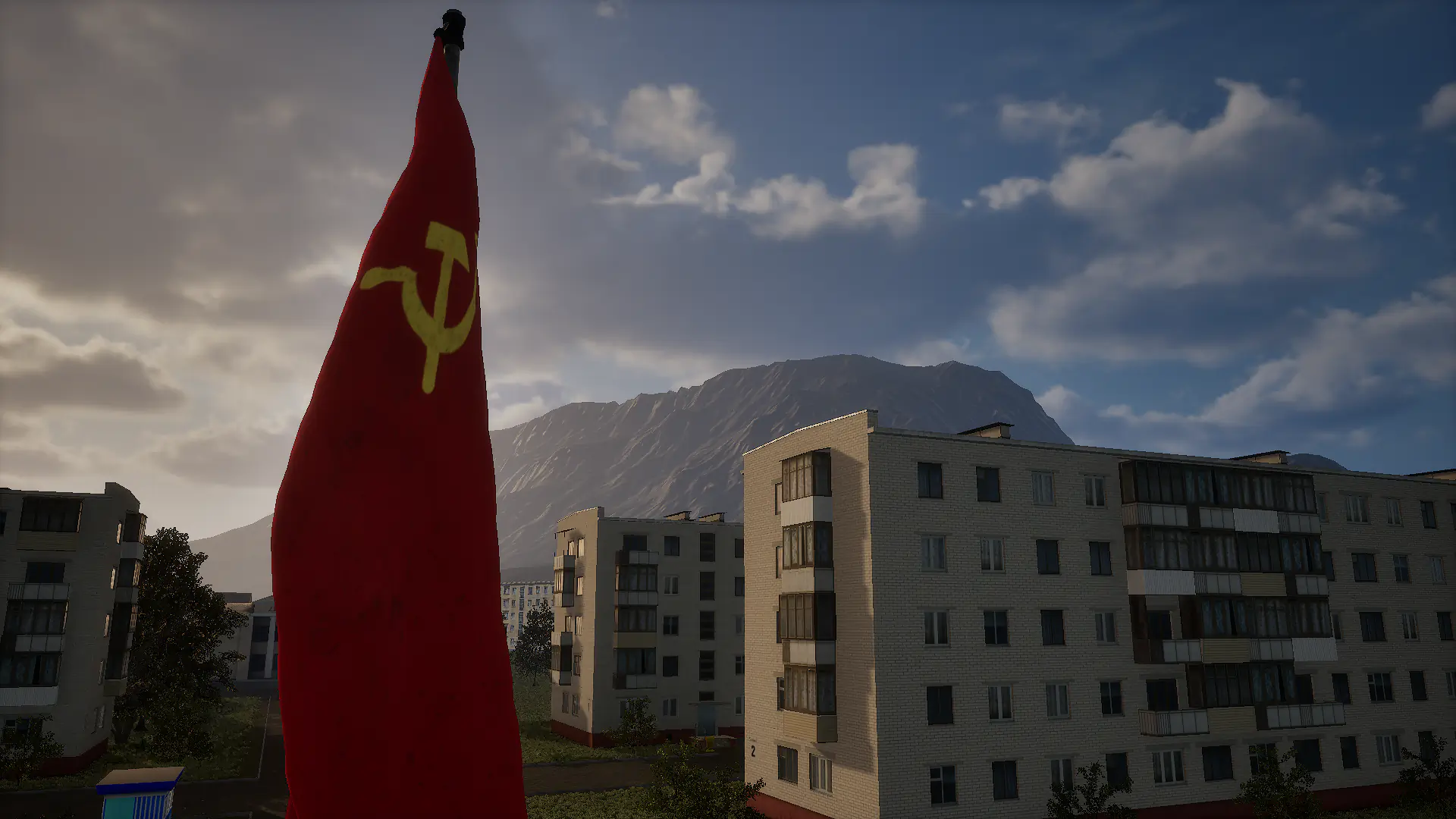
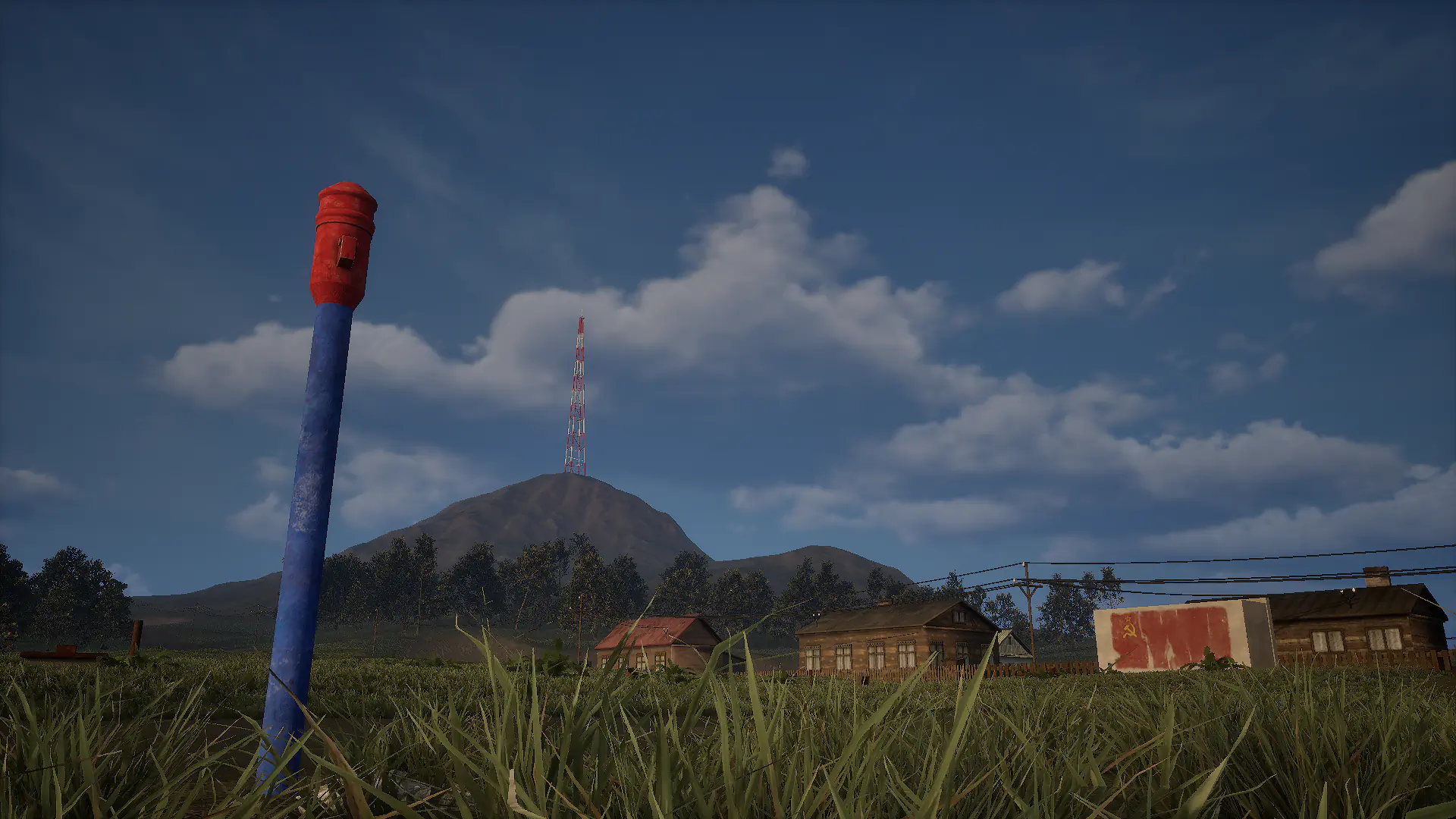
Photo · 01 Lenin Square · "Faithful to Our Fathers' Cause"
Photo · 02
Photo · 03 Relay Station · The radio still comes through
Chapter · 02 · Subject of the file

The Gulyaevs' Case

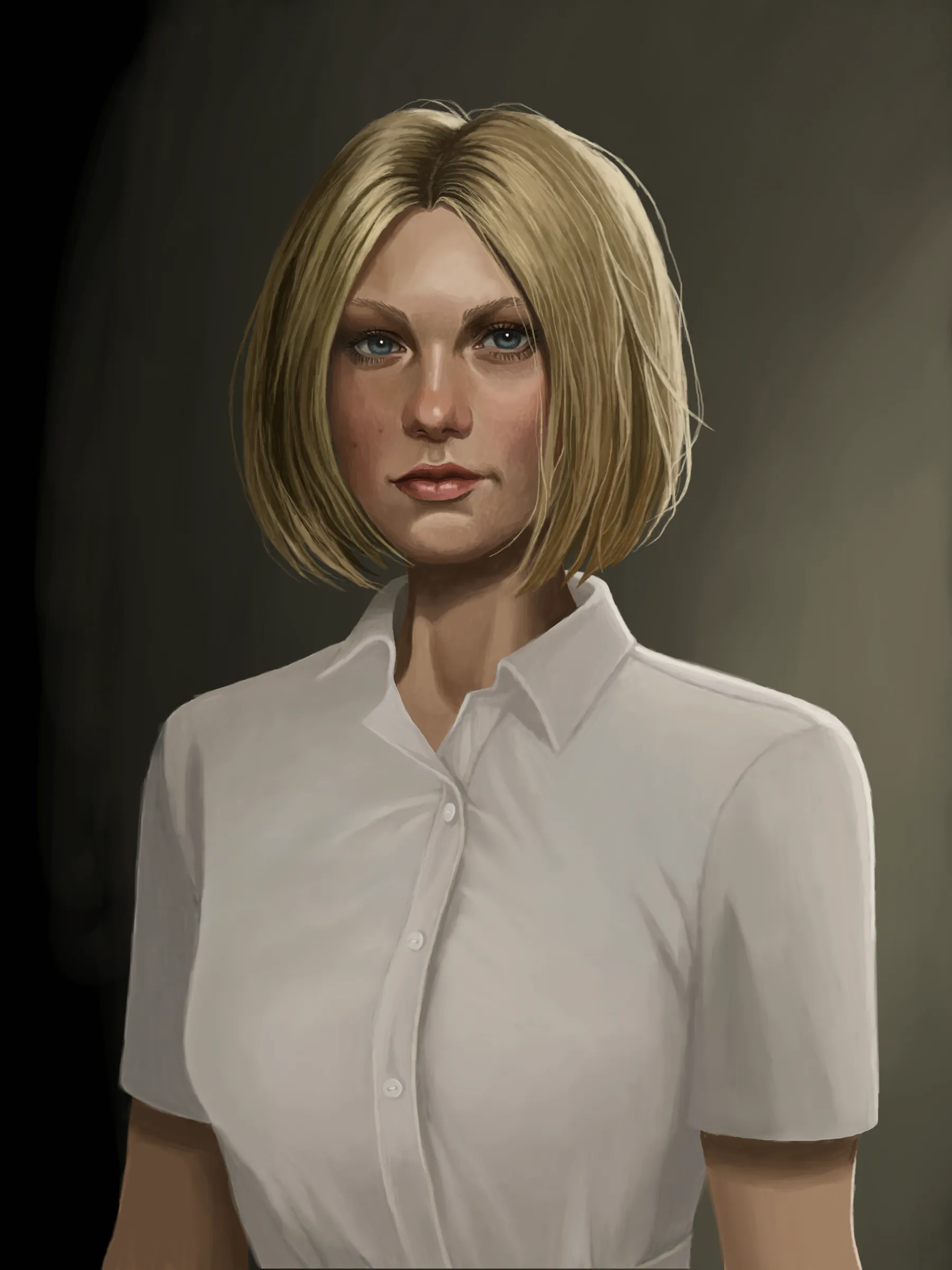
Gulyaeva E. V. · Last photo available

Elizaveta
Gulyaeva

Year of Birth
1946, Odessa
Education
Soviet Trade Technical School
State assignment
1964 · Khabarovsk Krai
Position
Manager of the Village General Store
Family
Married, two children
Party Membership
Non-party

Thirty years old. Assigned to Herota in 1964 after graduating from a Soviet trade technical college. Rather than seeing the state assignment as an obligation, she embraced it as an opportunity to start a life of her own, far from the military family that had expected her to continue their tradition—her father, a Red Army officer, and her mother, a wartime nurse.

Today she runs the village shop of the rural consumer society. The shelves are mostly empty. The queues form anyway. Both of her children are ill. And time, the only thing Herota has plenty of, is running out.

Family file

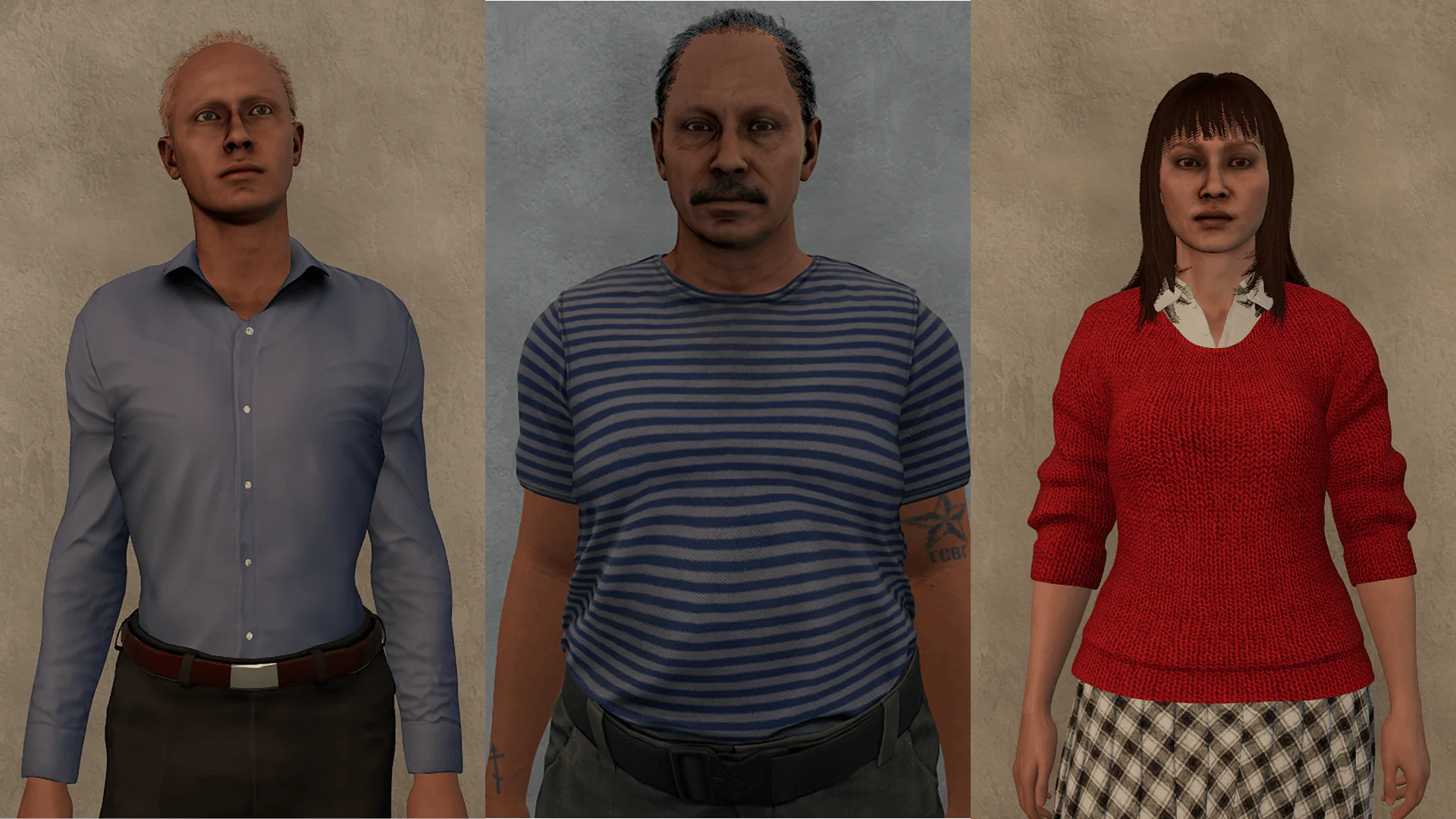
Father · former miner
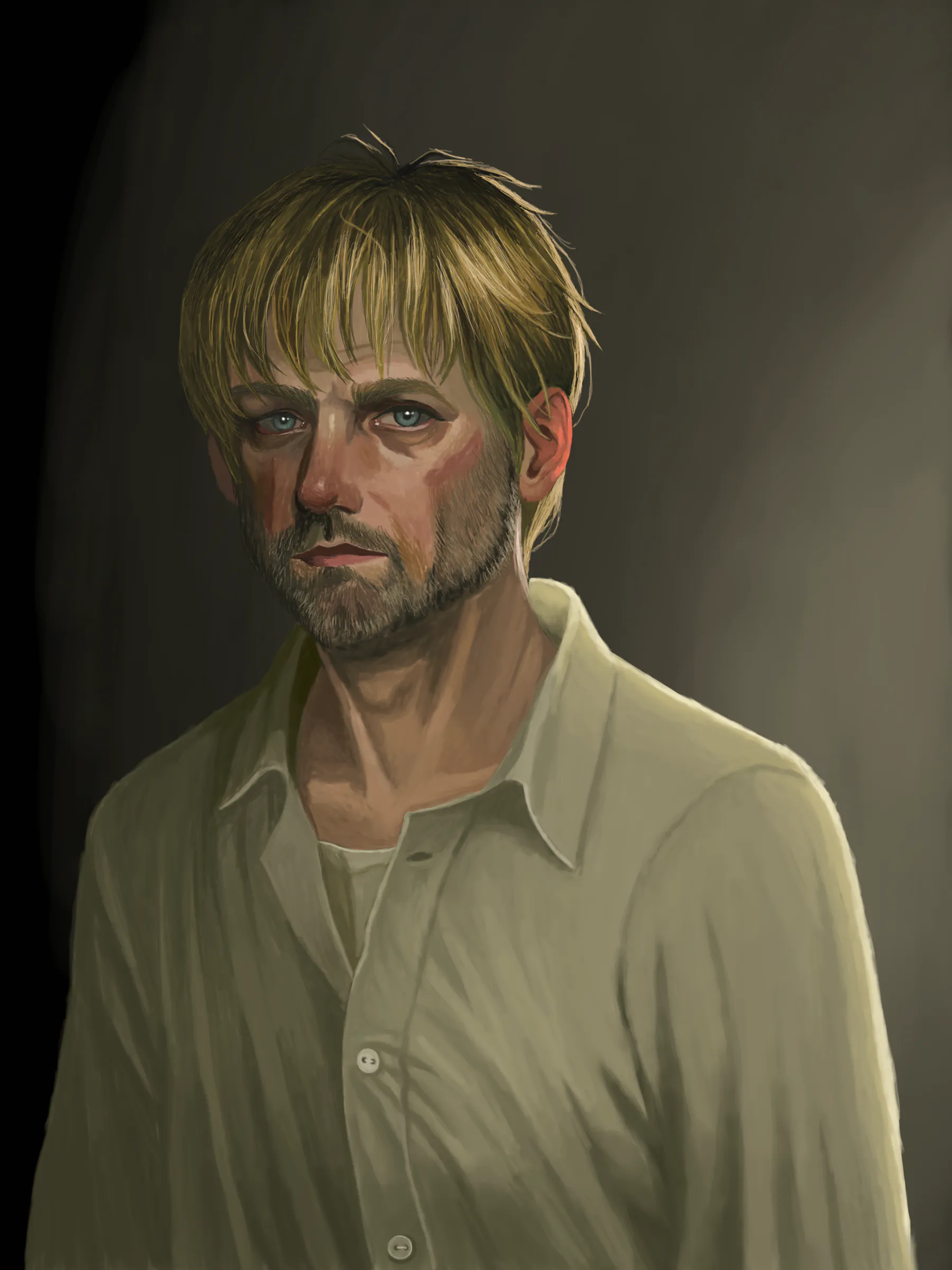
Ivan Gulyaev
Ivan Gulyaev
37 years old

Born in Stalingrad. Lost his parents in the 1942 bombings. Came to Herota by assignment after the mining technical college. The closure of the Stalinskaya mine was the end of the life he was trying to build. Alcohol has done most of what the closure did not.

Fired
Son
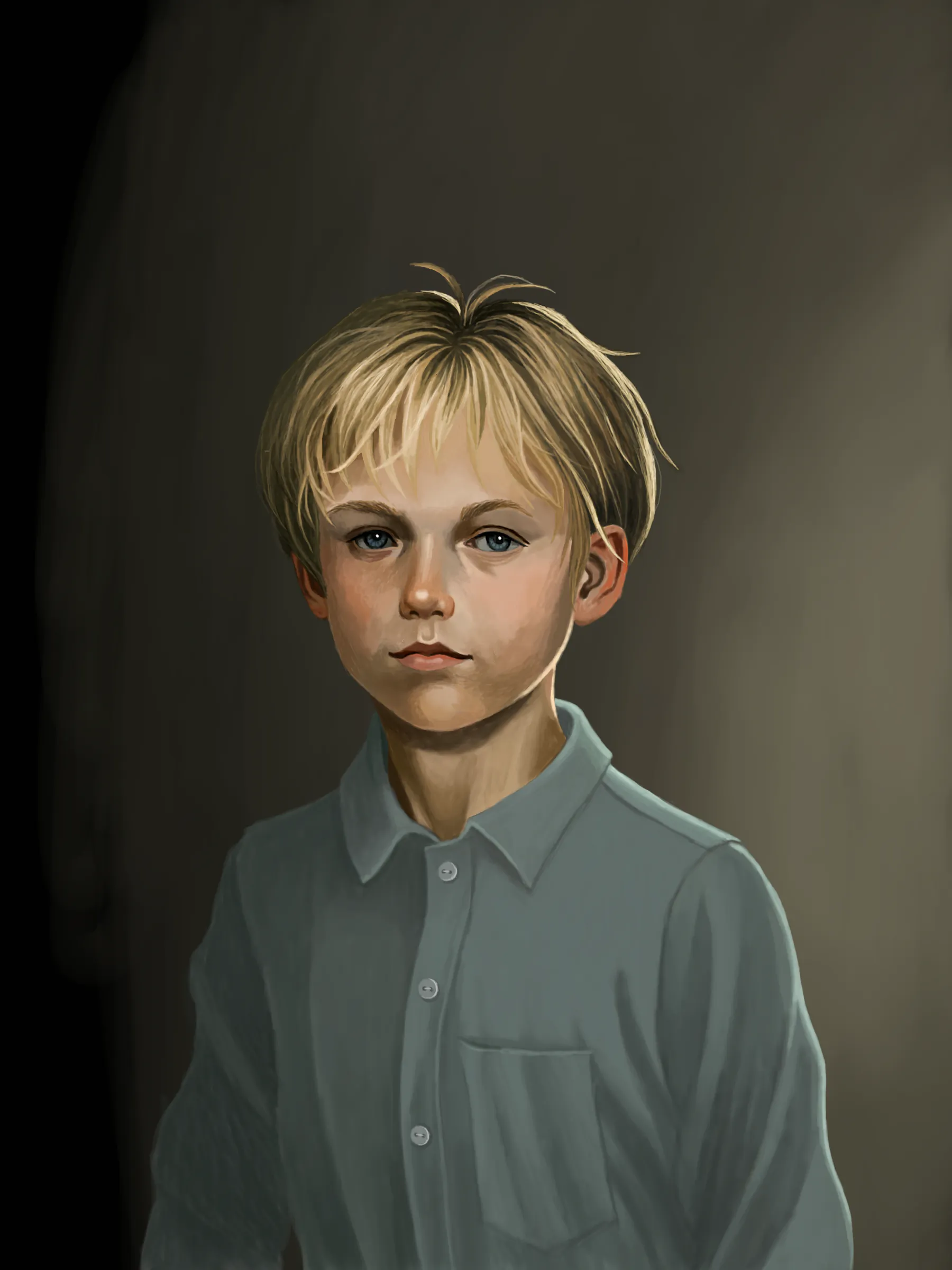
Daniil
Daniil
10 years old

Tries to help his mother. Watches his younger sister. Keeps the house going while his father loses control of his. Currently ill with typhoid fever. Treatment exists only in Komsomolsk-on-Amur — and there is no transport out of Herota.

Sick
Daughter
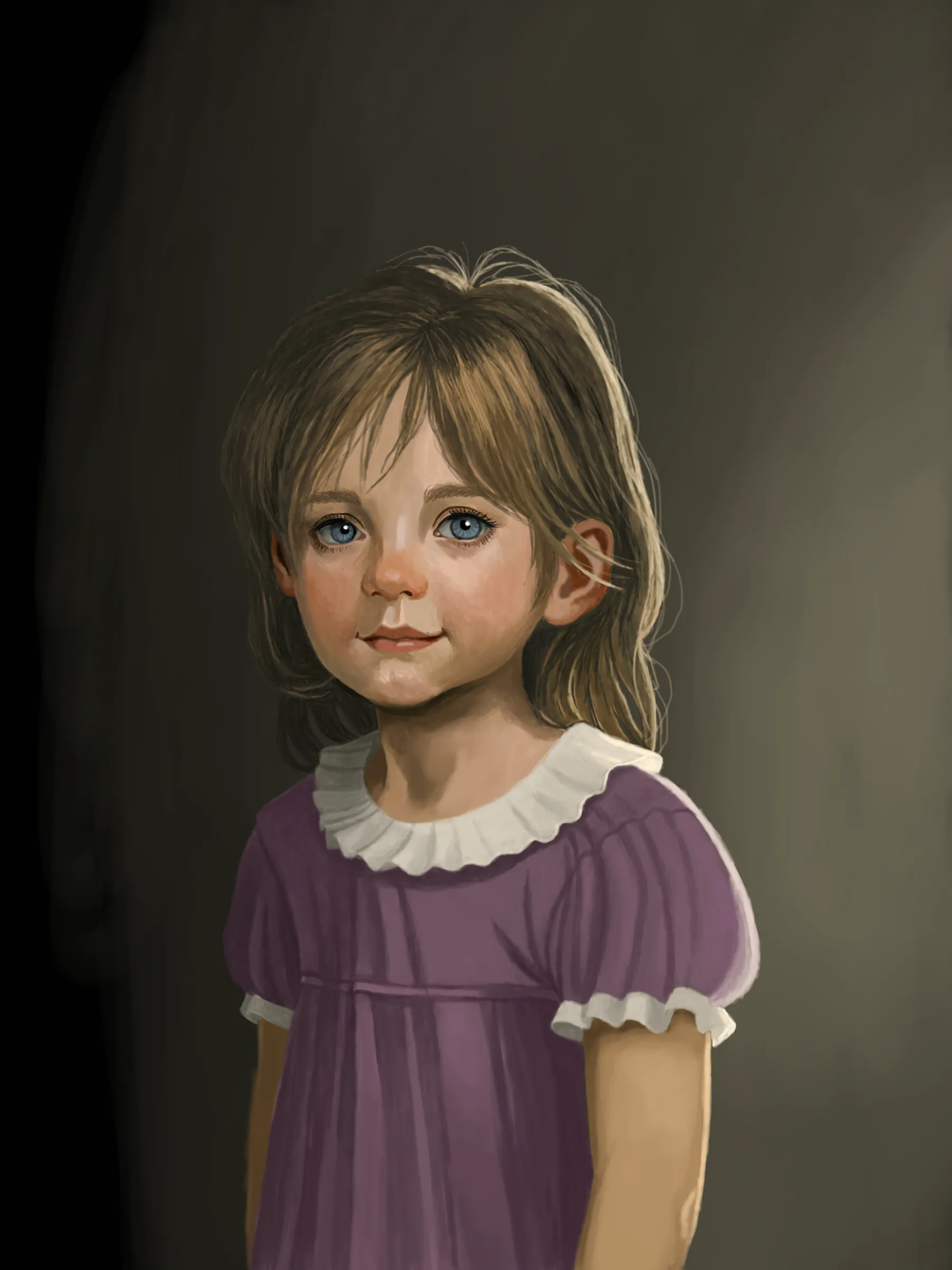
Vera
Vera
6 years old

Too young to change anything. Also ill with typhoid fever. Asks more questions than anyone else in the family — most of them the kind adults have stopped trying to answer.

Sick
Chapter · 03 · The shop

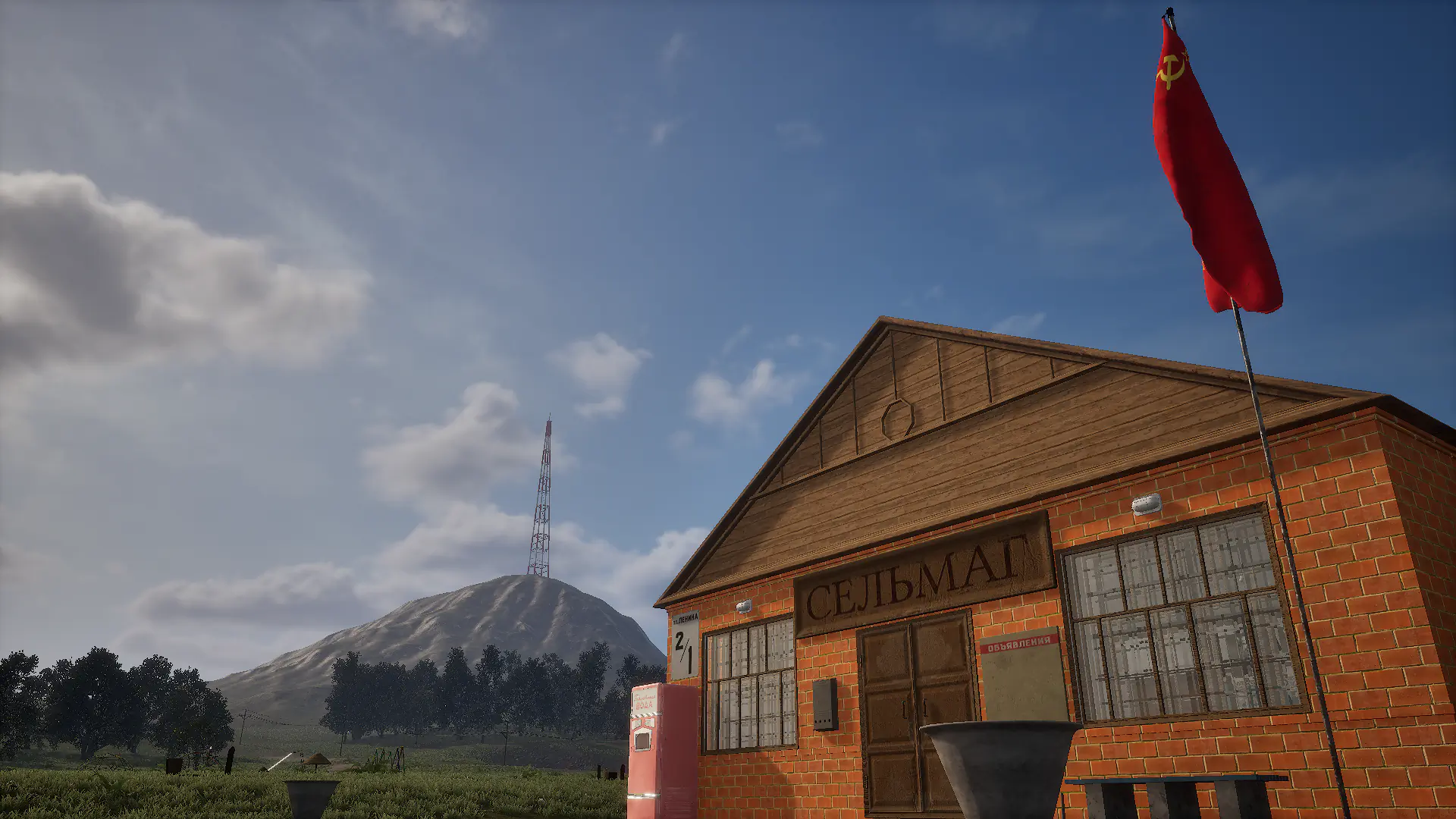
Selmag (Store)

Rural Consumers' Cooperative Store No. 2/1, Lenin Square

A small brick building on Lenin Square. For most of Herota, the shop long ago stopped being a symbol of plenty. It became a habit.

Sometimes a delivery brings canned goods, tea, grain, or condensed milk. Fresh produce is rare and not always edible. Some residents whisper that part of the food comes already spoiled — or worse, deliberately tainted. Cases of severe poisoning have already happened. Liza is careful with everything she brings home.

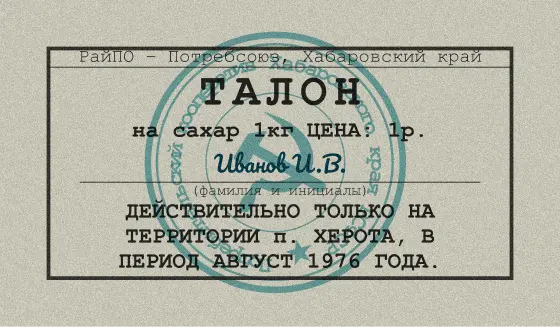
With shortages at a breaking point, the state has tightened the rules. Almost everything in Herota is now issued only through ration coupons. Some customers test the clerk with forged documents. A single forged coupon slipping through can lead to very serious consequences.

Selmag (Store)
Chapter · 04 · The council

Selsoviet

INTERNAL DOC. Copy No. 03

On the Situation in Herota

The administrative bodies of the settlement continue formally to exist. The council convenes. Reports are filed. Inspectors arrive from above and write notes.

Most of what residents need — heating that works on every day of the week, water that runs without warning, medicine that reaches a child in time — does not appear in the reports that are taken back with them.

The settlement does not appear in the next five-year plan. This document is not to be discussed outside the council building.

Chairman: P. Postyshev
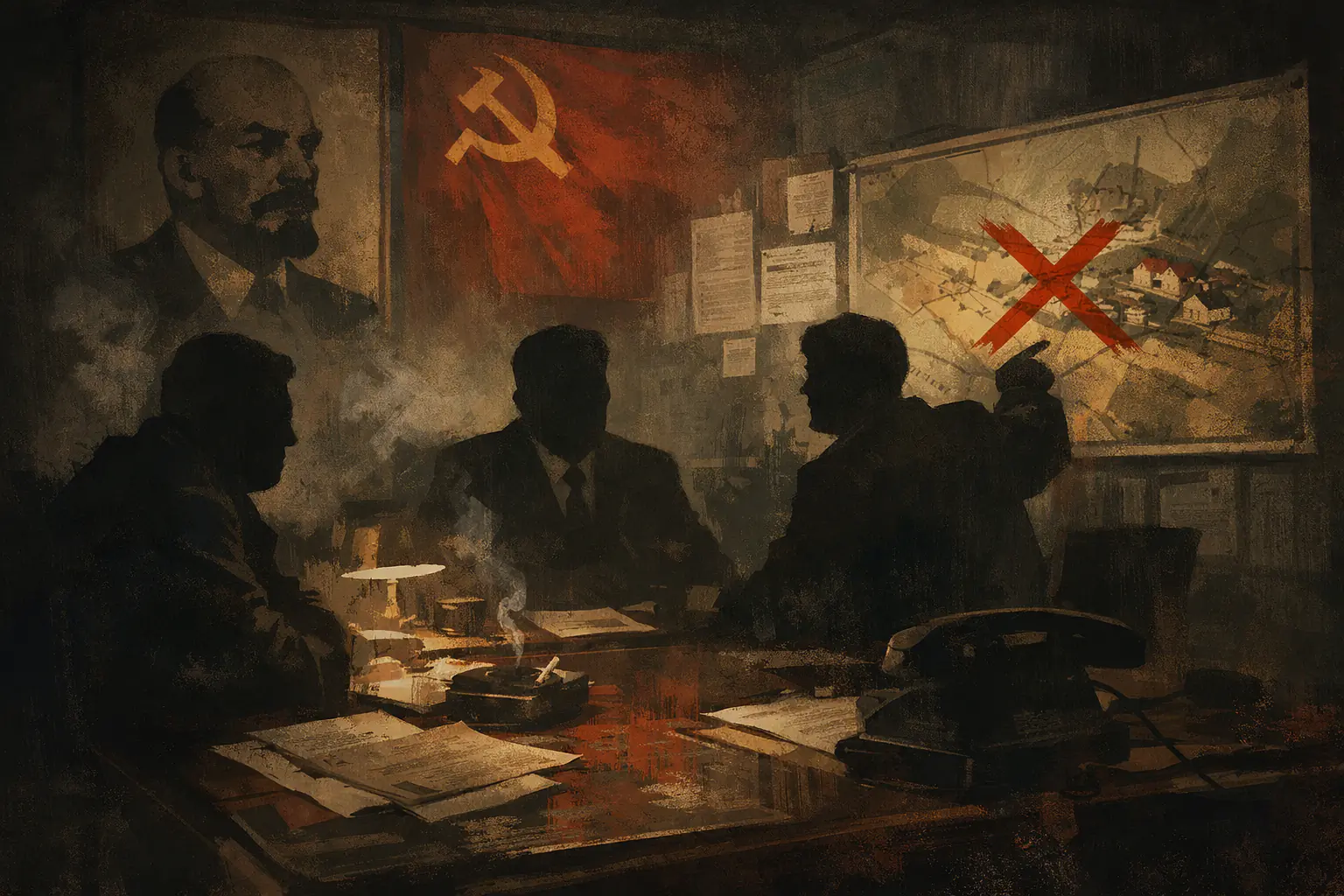
Village Soviet Meeting
Photo · 05Village Soviet Meeting To Be Destroyed
On the Situation in Herota

"For the needy shall not alway be forgotten: the expectation of the poor shall not perish for ever."

— Psalm 9:18 · Bible
End of file

The rest is yours to find

Selsoviet — an immersive sim about indifference, choice, and the fragile
warmth of humanity among the ruins of a fading era.